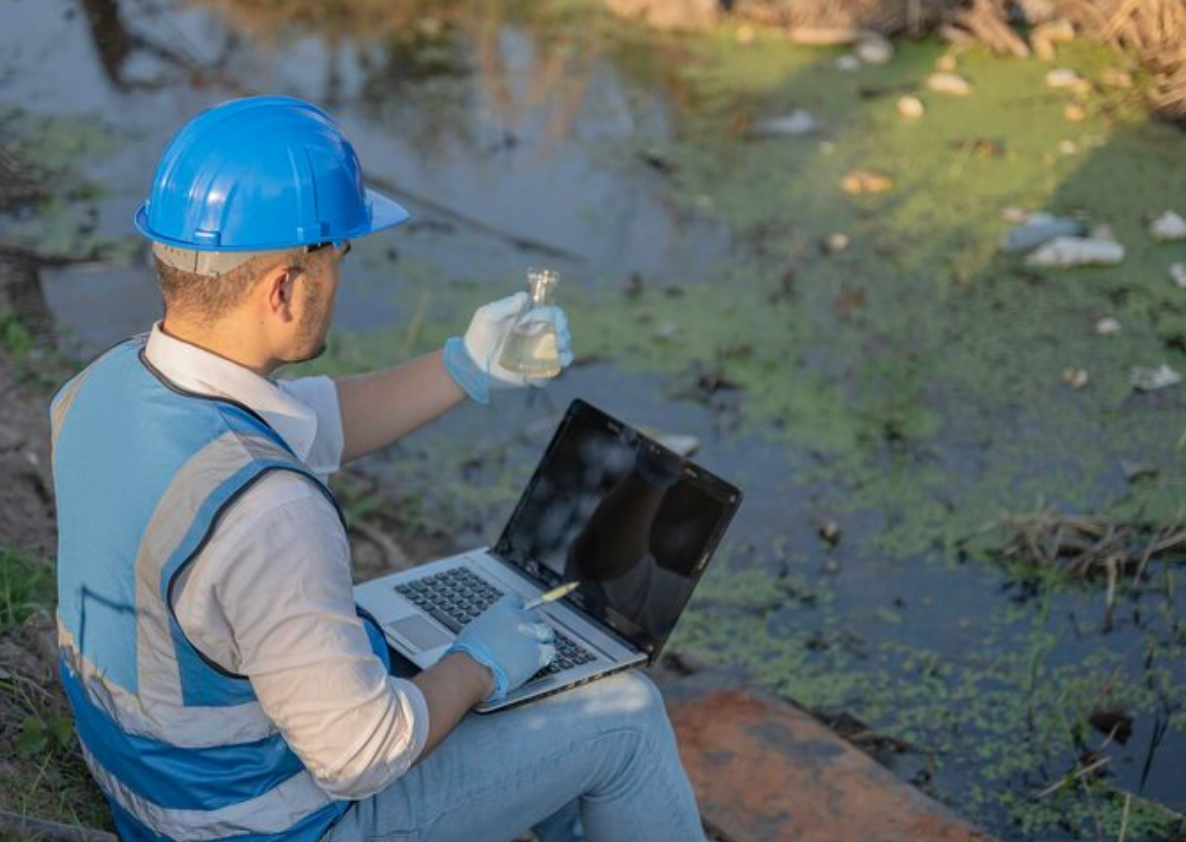
Site Planning and Deployment
We help identify the right monitoring points, then deploy solar-powered stations at tile drainage outlets, edge-of-field sites, and other high-value locations. Each deployment is planned for field practicality, durability, and long-term visibility.
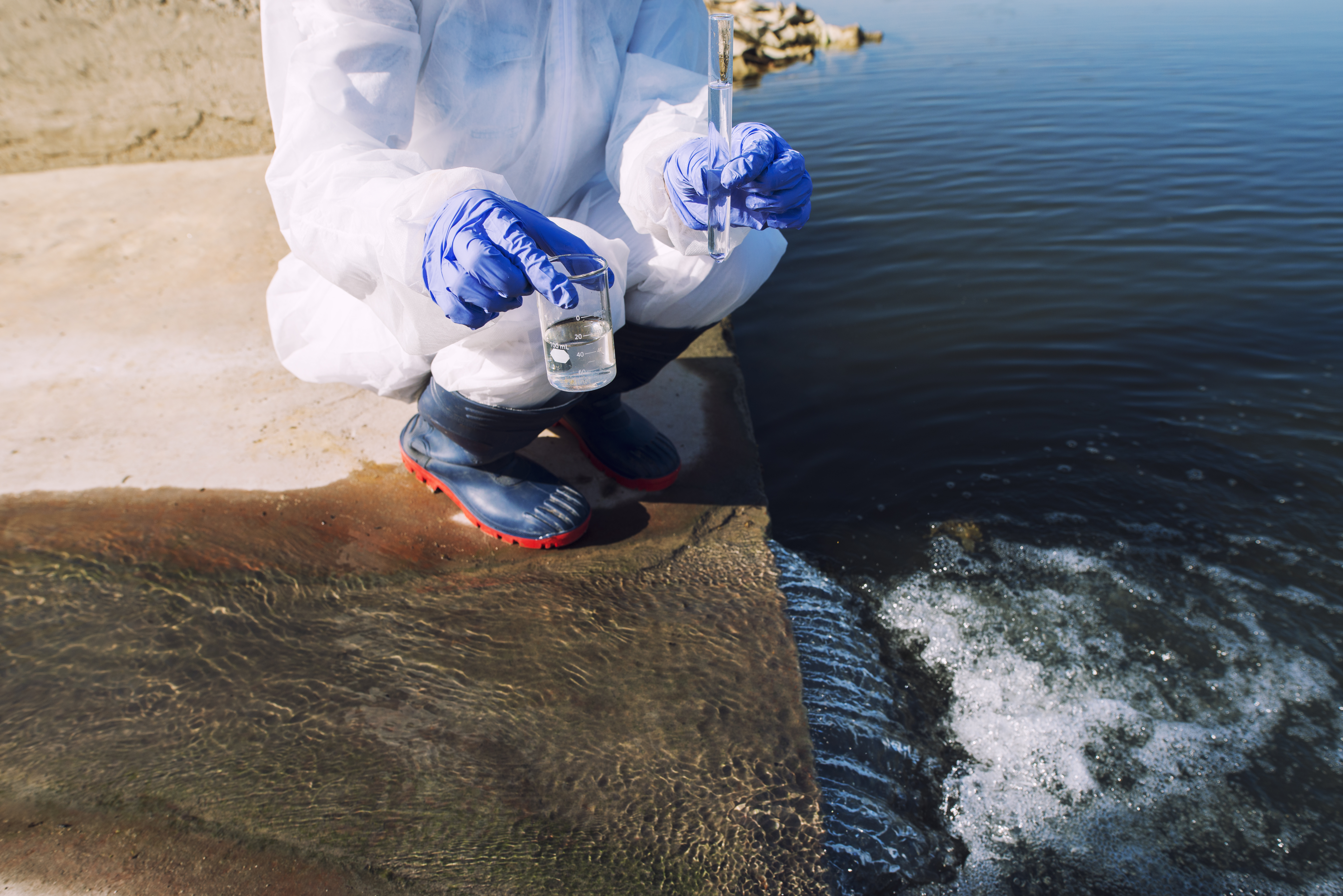
Continuous Measurement and Sync
Stations capture nitrate and related water quality indicators at high frequency, then transmit data through cellular connectivity for continuous visibility. Teams can review conditions as they evolve instead of waiting for delayed snapshots.
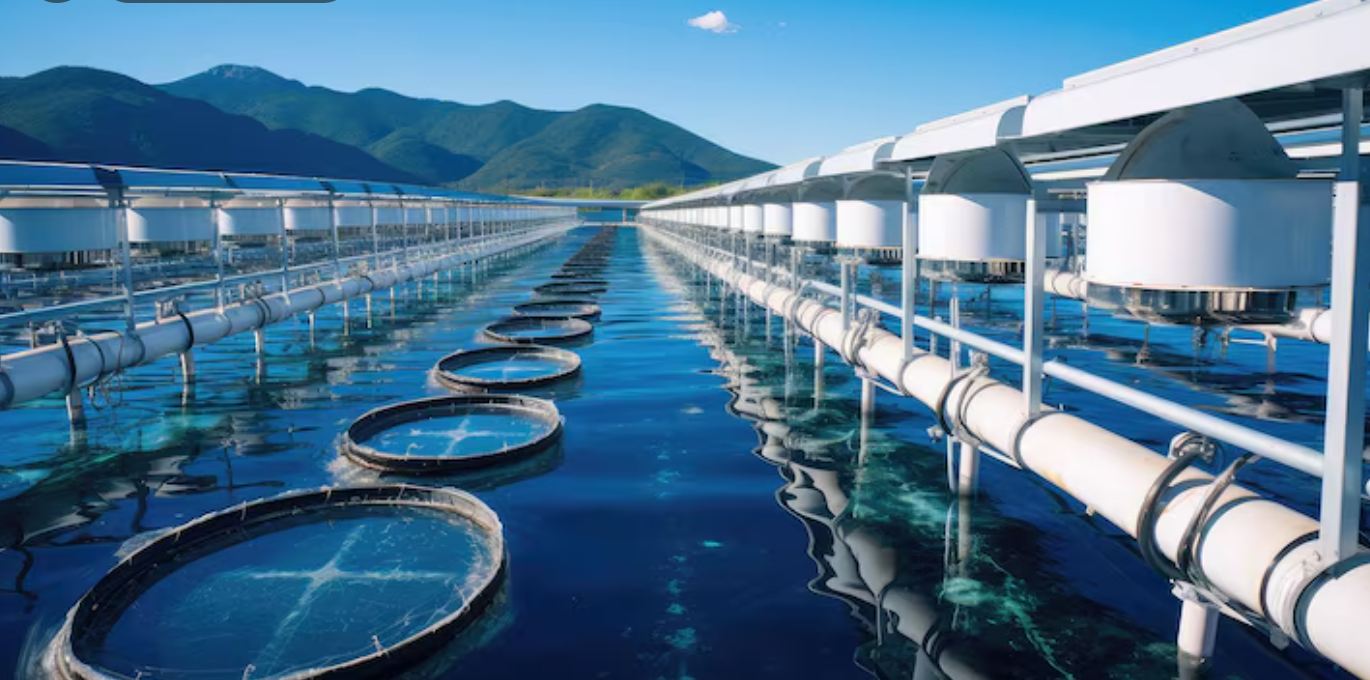
Platform Review and Analysis
Incoming data is organized inside a centralized platform where teams can review trends, compare locations, and identify unusual changes faster. The goal is to make field data easier to interpret, share, and act on.
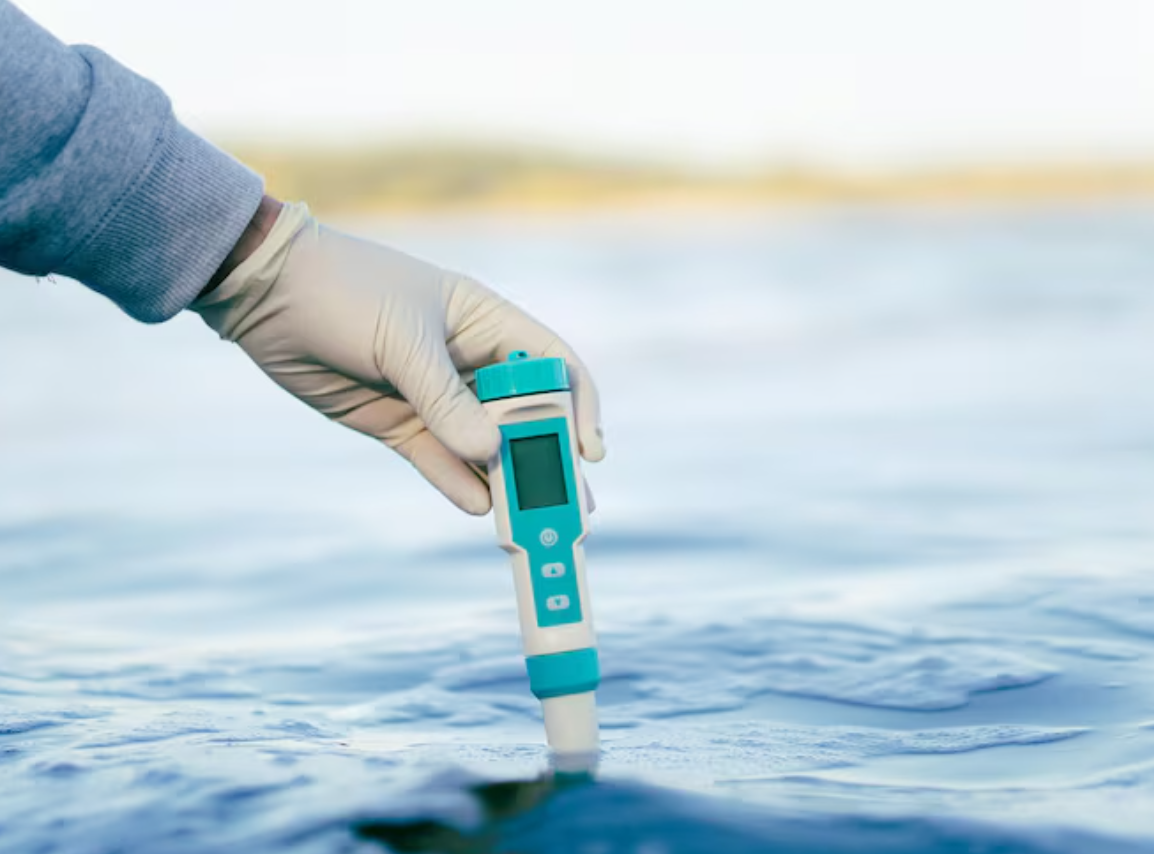
Reporting and Program Decisions
Use alerts, summaries, and organized records to support nutrient reduction planning, stakeholder communication, grant-backed monitoring, and ongoing operational decisions with stronger confidence.